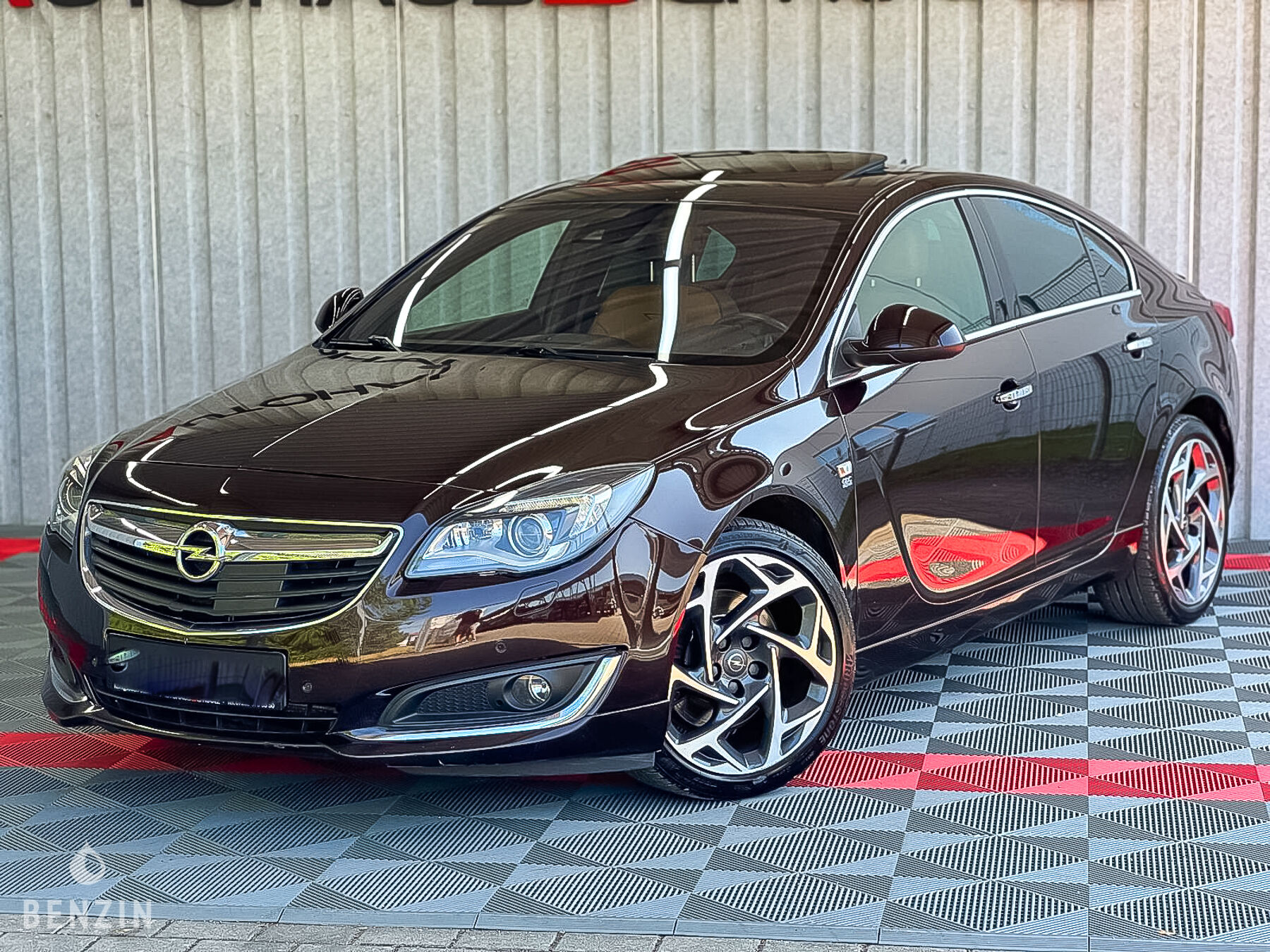
Launched in summer 2008 and unveiled to the public at the London Motor Show, the Opel Insignia replaced the Vectra and Signum with a much more premium ambition. Its styling, led by Opel’s design team then headed by Mark Adams, abandoned the very sober lines of the Vectra in favor of a more taut and expressive silhouette, on the GM Epsilon II platform. The range immediately included a 5-door saloon, a 4-door saloon in some markets and the Sports Tourer estate, with a very broad engine lineup ranging from four-cylinder petrol and diesel units to the OPC turbo V6. Voted European Car of the Year 2009, the Insignia marked a real shift in image for Opel.
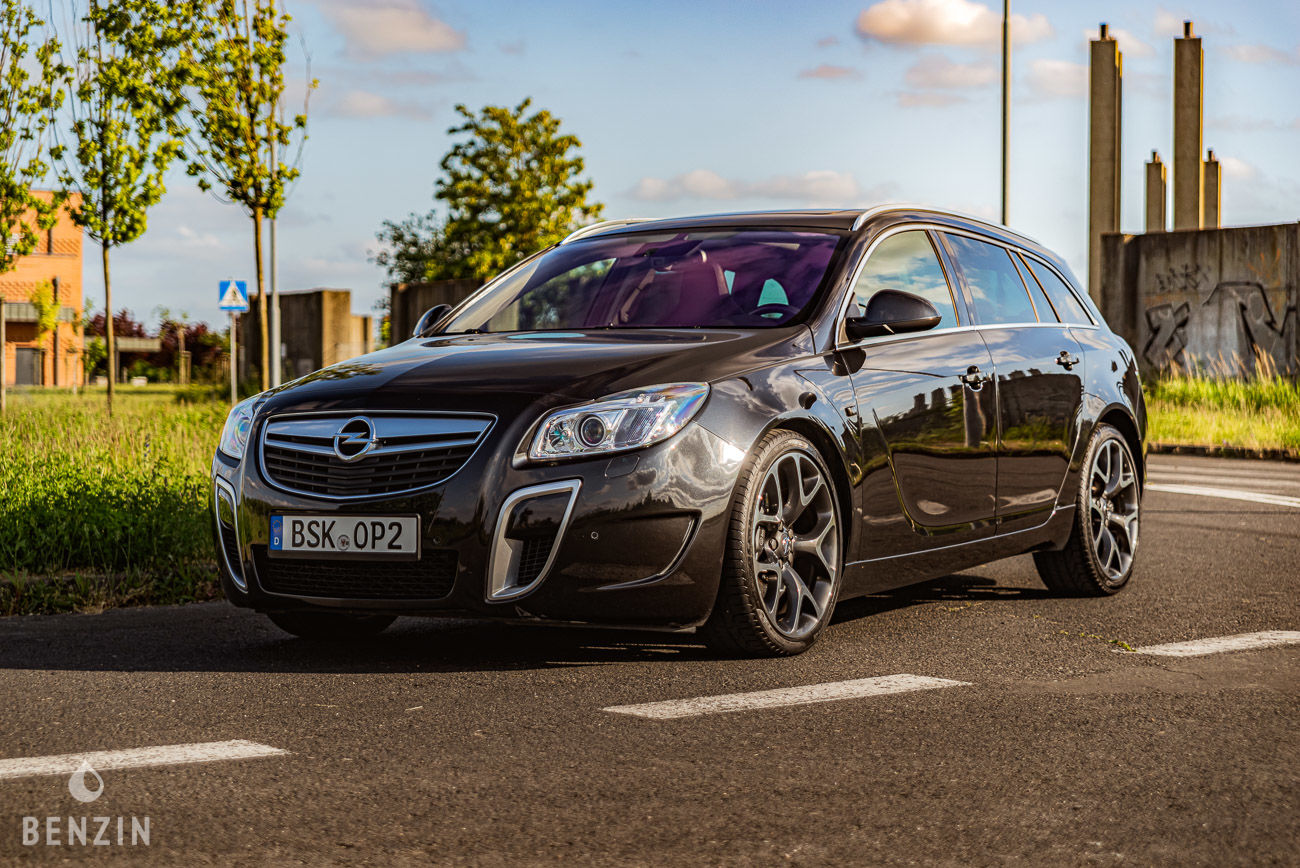
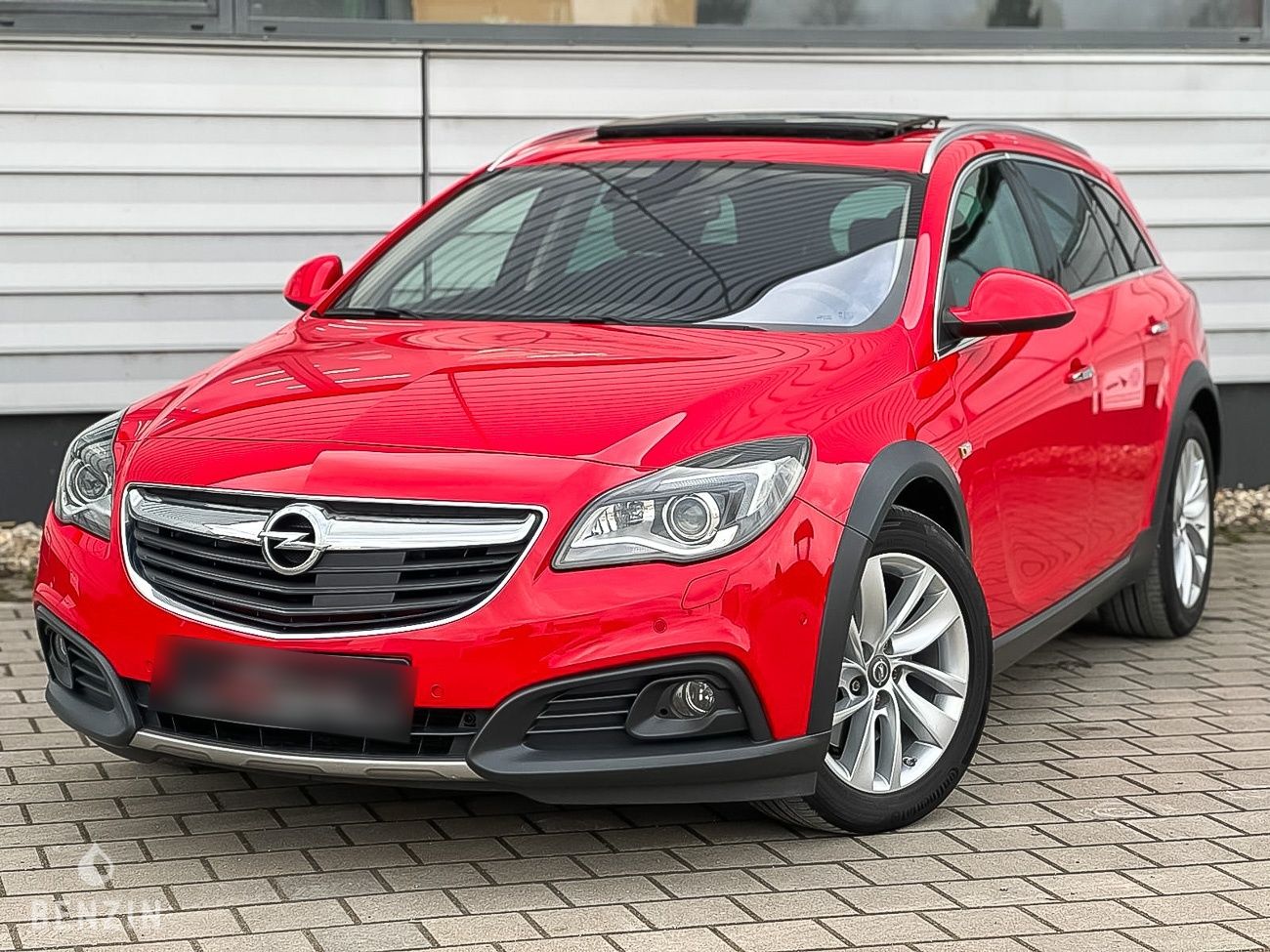
The first generation is the one enthusiasts of high-performance, well-equipped versions are looking for today, especially the 4x4s and the OPC. Depending on engine and market, the Insignia came with front-wheel drive or a Haldex-type electronically controlled all-wheel-drive system, sometimes paired with a controlled rear differential on the most ambitious versions. The range-topping model is the Insignia OPC, introduced in 2009, with its 2.8-liter turbo V6, specific chassis, Recaro seats and a much more aggressive appearance. In 2013, a major facelift modernized the dashboard, simplified the ergonomics and introduced new engines, including the 250 hp 2.0 SIDI Turbo petrol engine fitted to several sought-after 4x4 versions. That same year saw the arrival of the Insignia Country Tourer, derived from the Sports Tourer with body cladding and a slightly raised ride height, conceived as a road-going alternative to German raised estates.
In 2017, the second-generation Insignia, known as Grand Sport and Sports Tourer, took over with a lighter footprint and a more international philosophy, but without quite recapturing the mechanical character of the old OPC, later replaced by the GSi. Enthusiasts mainly follow the first series for its performance-to-equipment ratio, the relative rarity of the 4x4 petrol versions and the special status of the OPC, one of the last great Opel sports cars with a V6 engine. Production was significant across Europe, but the most desirable configurations remain uncommon on the market, especially petrol and all-wheel drive. Today, the Insignia mainly appeals to connoisseurs able to identify a well-maintained example, because the best versions are rewarding to drive but sensitive to neglected maintenance, especially on the all-wheel-drive system and comfort electronics.
Technical data
| Insignia 2.0 Turbo 4x4 | Insignia Country Tourer 2.0 Turbo 4x4 | Insignia OPC 2.8 V6 Turbo 4x4 |
| Production years | 2013-2017 | 2013-2017 | 2009-2017 |
| Body style | 5-door saloon | Raised 5-door estate | 5-door saloon or Sports Tourer |
| Engine(s) | 4 cyl. 1,998 cc turbo petrol | 4 cyl. 1,998 cc turbo petrol | 2,792 cc turbo petrol V6 |
| Power | 250 hp | 250 hp | 325 hp |
| Transmission | All-wheel drive, manual or automatic gearbox depending on market | All-wheel drive, automatic gearbox depending on version | All-wheel drive, manual or automatic gearbox |
| Weight | approx. 1,700 kg | approx. 1,800 kg | approx. 1,800 kg |
| 0-100 km/h | approx. 7.5 s | approx. 8 s | approx. 6.0 s |
| Top speed | approx. 245 km/h | approx. 230 km/h | 250 km/h |
Buyer’s guide
For road use, the 2013 facelifted models with the 2.0 SIDI Turbo 250 hp engine in 4x4 form are the most recommendable: they offer good performance, a better-finished interior and remain easier to live with than an OPC. The Country Tourer appeals for its versatility, but you need to be more demanding about the condition of the rear axle and all-wheel-drive system. The OPC is the most desirable for enthusiasts, provided you accept higher maintenance costs and choose a car maintained by a specialist who knows Opel 4x4s well.
Points to watch
- Haldex all-wheel drive : loss of rear traction, warning message, jerks or operation in front-wheel drive only on first-generation 4x4s; check invoices for changing the coupling oil and, if applicable, the filter, as many cars have been driven without specific maintenance for this system.
- Rear axle and differential : humming, droning that increases with speed or noticeable play on acceleration, especially on powerful 4x4s and cars fitted with four tires of different brands or wear levels; check for the absence of noise on a steady road and ask whether the differential oil has ever been changed.
- Angle drive / transfer case : seepage, vibrations under acceleration or a dull mechanical noise under load on all-wheel-drive versions; inspect for leaks around the casing, check for the absence of clunks during maneuvers and make sure the drivetrain has not been run for long with mismatched tires.
- Timing chain : timing chain noise at cold start or rough idle on some 2.0 turbo petrol engines and on the 2.8 V6 when they have had extended oil-change intervals; listen to the engine when completely cold and ask whether the tensioners or timing system have already been worked on.
- FlexRide adaptive damping : chassis fault message, leaking dampers or a car that has become harsh and inconsistent on higher trims and the OPC; check that the Tour/Sport/OPC modes really change the car’s response and that no chassis warning light is present in diagnostics.
- AFL/Xenon headlights : weak daytime LEDs, condensation, non-functioning dynamic leveling or an error message, a fairly well-known fault on well-equipped Insignia; check all self-leveling movements at startup and the absence of improvised repairs on the headlamp units.
- Tailgate wiring looms and rear water ingress : wipers, defrosting or tailgate closing that are temperamental on Sports Tourer and Country Tourer, sometimes made worse by moisture in the rear section; inspect the wiring boots at the tailgate and make sure no rear module has suffered water ingress.
- Electric parking brake : rear calipers that stick, a dashboard warning or a sluggish actuator motor, especially on cars that are rarely driven or have been parked for a long time; check several activation cycles and that the rear wheels release properly.
When buying
On an imported Insignia, the European certificate of conformity, the old registration documents and a recent technical inspection from the country of origin are particularly important to avoid administrative complications. For a 4x4, a diagnostic scan is strongly recommended to read faults related to the Haldex, the rear differential, FlexRide and the AFL headlights, even if there is no warning light. Service invoices for the all-wheel-drive system, frequent engine oil changes and, on OPC, work on the chassis or timing system carry far more weight than a stamped service book alone.
2 of the 5 Opel Insignia listed on Benzin found a buyer — 40 % of completed sales.
No Opel Insignia is for sale at the moment. Follow the model to be notified as soon as a new one is listed.
Every vehicle comes with a detailed photo report, its history and the public exchanges between seller and community. You bid online; if you win, Benzin secures the payment and supports you through to delivery.
Follow the model from this page and you will get an e-mail as soon as a Opel Insignia is listed on Benzin.
 English
 Français
 Español
 Italiano
 Deutsch
 Polski
 Magyar
